

Kingman Museum of Natural History — Gift Shop Strategy: Artisan-Centered, Values-Driven Retail
Kingman Museum of Natural History is developing a gift shop model that reflects the same values that define everything else the museum does — community investment, authentic storytelling, educational purpose, and a commitment to doing things the right way even when the easier path is available.
This is not a gift shop stocked with mass-produced keychains and generic science toys sourced from the lowest bidder. It is a carefully curated retail experience designed to extend the museum’s mission into every purchase, support the local creative economy, and send visitors home with something that means something.
The 30/70 Model
Kingman’s gift shop operates on a deliberate split between traditionally sourced commercial products and locally handcrafted artisan goods.
Thirty percent of the shop’s inventory will consist of traditionally sourced items — books, educational materials, and natural history products drawn from established manufacturers and suppliers. But even within this category, Kingman is committed to doing better than simply choosing the cheapest available option. The museum is actively evaluating manufacturers and suppliers who subscribe to B Corporation principles — a rigorous independent certification that holds companies to verified standards of social and environmental performance, accountability, and transparency.
B Corp certification means something concrete. It means the companies Kingman sources from have been independently assessed on how they treat their workers, how they impact their communities, how they steward the environment, and how they govern themselves. It means that even the thirty percent of the shop that comes from outside Battle Creek reflects a values framework consistent with Kingman’s mission and its community commitments. Visitors browsing the traditional section of the shop can trust that the items on those shelves were made by companies held to a standard higher than profit alone.

The remaining seventy percent of the shop’s inventory will be something far more distinctive — handcrafted items created by local artisans whose work tells the story of natural history and science through the languages of making.
The Artisan Collection
Seventy percent of Kingman’s gift shop will be hand made by local artists, craftspeople, and makers whose work engages directly with the themes of natural history, science, and the living world. This is the heart of the shop’s identity and its most powerful expression of what makes Kingman different.
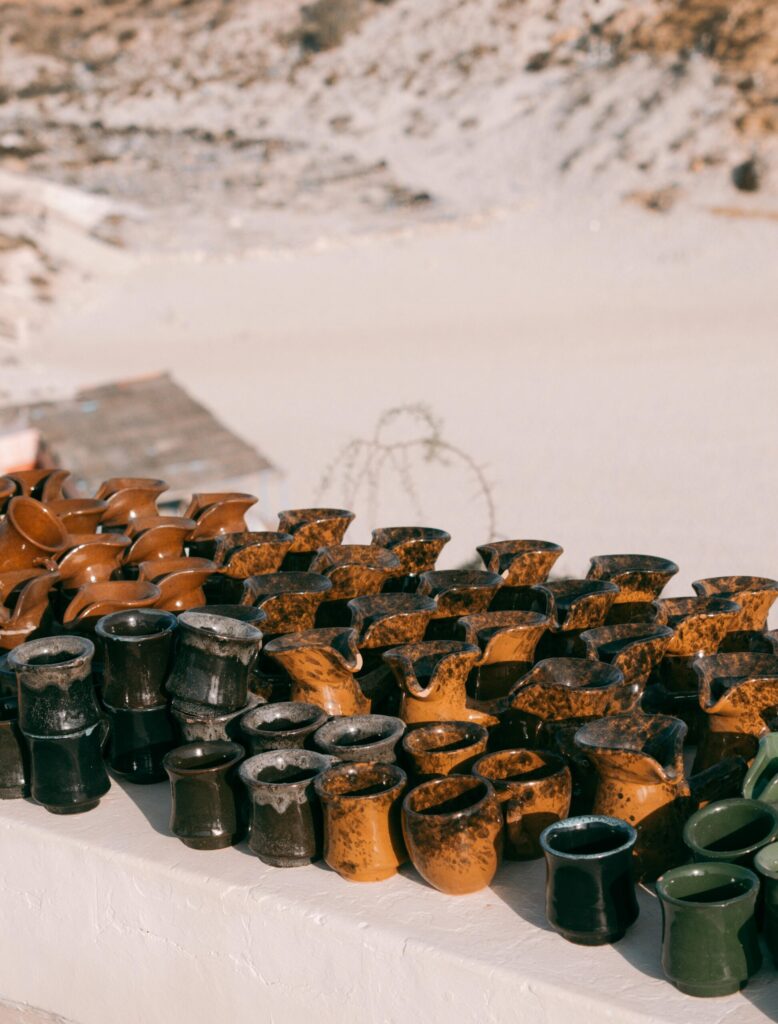
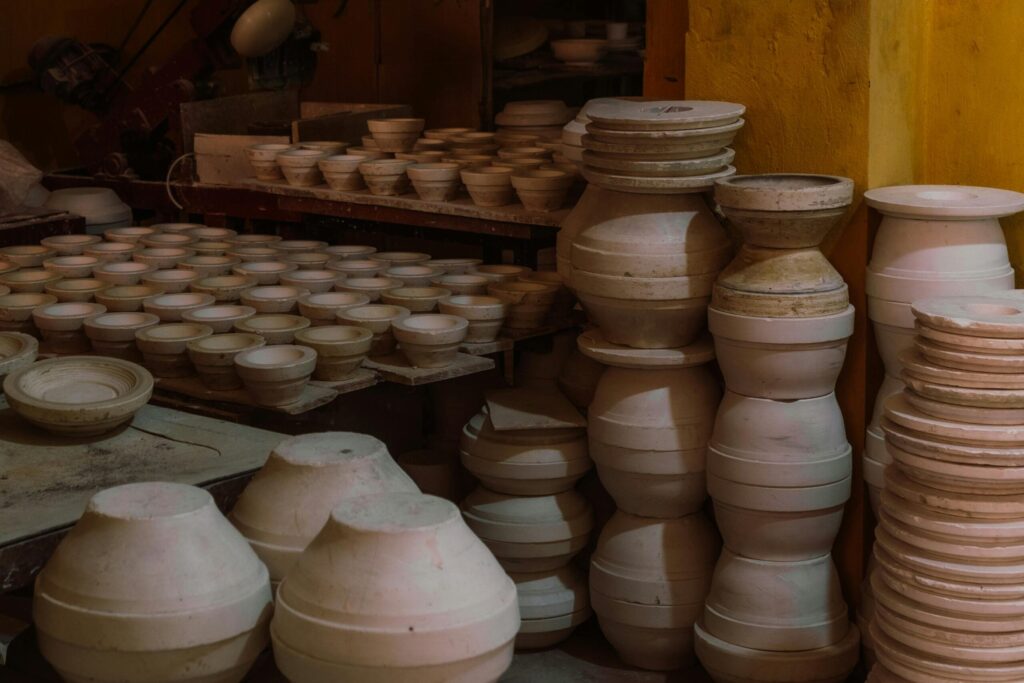
The artisan collection draws from the full range of traditional and contemporary craft disciplines. Clay and ceramics artists who work with geological forms, fossil impressions, and the textures of the natural world. Fiber artists whose weavings, textiles, and wearable pieces interpret ecosystems, animal patterns, migration routes, and botanical forms. Woodworkers, printmakers, jewelry makers, illustrators, and makers of every discipline whose creative practice connects to the themes of natural history and science in ways that are genuine rather than decorative.
Every item in the artisan collection carries a story — not just the story of the object itself, but the story of the person who made it, the place where it was made, and the natural history idea or scientific concept that inspired it. Visitors do not simply buy a ceramic piece or a woven textile. They take home an artifact of a living creative community that is thinking about the same things the museum thinks about — the natural world, its history, its complexity, and its beauty.
Keeping Value with the Artisan
Kingman’s commitment to its artisan partners goes beyond curation. The museum is structuring its artisan consignment and purchasing agreements so that the majority of the retail price of each handcrafted item is retained by the maker. This is a deliberate departure from the retail conventions that routinely extract disproportionate value from the creative labor of independent artists and craftspeople.
The museum takes what it needs to sustain the shop’s operation. The artisan keeps what they deserve for their skill, their time, and their creative investment. This approach treats local makers as partners in the museum’s mission rather than suppliers to be squeezed, and it ensures that the gift shop functions as a genuine economic development tool for Battle Creek’s creative community — not simply a revenue mechanism for the institution.
Artisan Stories as Museum Experience
The artisan collection does not stop at the gift shop threshold. Kingman is integrating the stories of its artisan partners directly into the museum’s exhibit experience through dedicated storytelling and multimedia programming that positions each maker as a guide into the natural history and science themes their work embodies.
Visitors moving through Kingman’s galleries will encounter the artisans themselves — through video profiles, audio narratives, process documentation, and interpretive panels that trace the journey from natural history concept to finished handcrafted object. A ceramic artist who works with fossil forms becomes a guide into paleontology. A fiber artist whose textiles map bird migration routes becomes a guide into ecology and ornithology. A jeweler who works with locally sourced minerals becomes a guide into geology and regional natural history.
This integration transforms the gift shop from a transactional space at the end of a museum visit into a destination that is woven through the entire museum experience. Visitors arrive at the shop already knowing the makers whose work fills it. They have heard their voices, seen their hands at work, and followed the intellectual and creative journey that connects a scientific idea to a beautiful object. The purchase becomes the culmination of a learning experience rather than an afterthought to it.
What This Accomplishes
Kingman’s gift shop strategy accomplishes several things simultaneously that conventional museum retail does not even attempt.
It extends the museum’s educational mission into the retail experience, ensuring that every item in the shop — whether traditionally sourced from a B Corp manufacturer or handcrafted by a Battle Creek artisan — carries intellectual and narrative content consistent with Kingman’s identity as a natural history institution.
It invests in Battle Creek’s local creative economy in a structured, equitable way — providing local makers with a high-visibility retail platform, fair compensation, and the added value of being featured in the museum’s exhibit programming.
It gives visitors a reason to return. A gift shop stocked with mass-produced items is the same every visit. A gift shop filled with the work of living local artisans changes as makers rotate, new pieces arrive, and the creative community’s engagement with natural history themes evolves over time.
And it tells a story — about what kind of institution Kingman is, what it values, who it partners with, and how it understands its role in the Battle Creek community. A visitor who carries a handcrafted piece out of Kingman’s gift shop carries a piece of that story with them into the world.
That is exactly the kind of museum Kingman is building.
The Kingman Museum of Natural History Giftshop will be coming online soon.